Table of Content
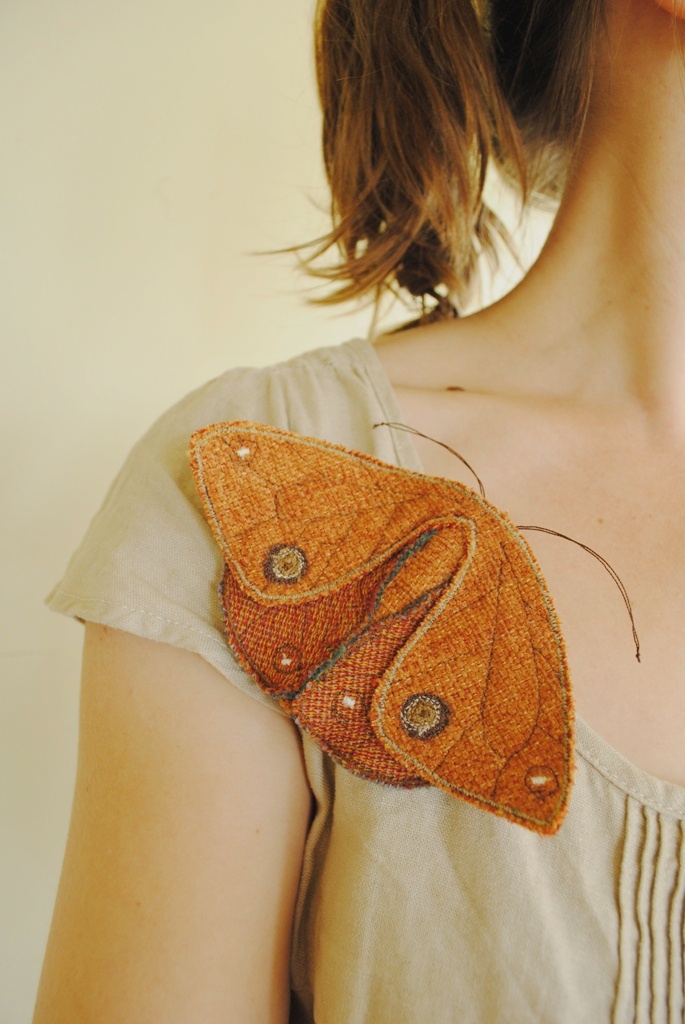
A perfect little handmade gift for your fashionista friend to add a touch of glam to her casual attire. I've reached the time in my life and career where I want to get back to my roots and enjoy art for arts sake. That means that I'm spending my time these days working on more personal and fine art projects. A smart workaround is printing test proofs to see how the colors in the art look on paper.

Oil-based ink has a thicker consistency and is more difficult to work with. It comes in many different colors and can create beautiful textural prints – but it also takes more ink and much longer to dry fully. Oil-based inks can be messy and require special substances to wash out.
Fundas para cojines con im�genes transferidas
But only if you used pigment inks as dye inks will fade and/or smudge. In our case, a mixture of black and white paint was used to achieve a deep dark gray tint. Remember that the paint will take on a darker shade than during staining when dry. Using a rubber scraper, apply paint to your image. There is no need to press down on the scraper trying to push the ink through the stencil onto the fabric’s surface.
Choose the paper depending on what colour fabric you want to print on. Next, feed this paper into your inkjet paper feeder. Make sure that the image is going to print on the fabric side and not the freezer paper side. It's a great design that works in any season.
How to Print on Fabric – 6 Easy Ways!
This will allow you to use a little more pressure on the next few passes. Once you've mixed your paint to the desired color, roll your foam roller through the paint. Thank you so much for the easy to follow instructions without the boring commentary. Then, while applying pressure, slide the scraper over the image again in the same direction. We have removed Items from cart which are already Ordered by You. You can Download them directly from Account page.
Then you’ll select the type of fabric you want it printed on, and soon your fabric will ship straight to your home. These type of companies let you upload your digital design and you can have it printed on a variety of different fabrics, depending on what you’re using it for. You can even order a fabric sample and have it hemmed.
Fabric Photo Transfer Notebook Easy Tutorial
Just make sure the ink is dry enough so it doesn’t smudge when you apply heat. I have done this, and the printing worked fine, but the pigment ink is very dull. Do you have any suggestions about how to make the fabric print more vibrant. You will also need a frame with fine-mesh “silk” mesh stretched over it.
Place the fabric in your printer and feed it through gently as it prints. Watch carefully as it prints to make sure that nothing gets snagged in the process. As the fabric prints out from the machine, catch the edge of it and keep it raised off of the printing tray so that any damp ink doesn't smudge or smear. Let the fabric sit out to dry on a flat surface before handling. I’ve listed the pros and cons of each fabric printing technique. There was not much difference in the quality of the printed images between them all.
The freezer paper will adhere to the fabric which gives the fabric enough stability to run it through your printer. This isn't permanent though because you'll remove the freezer paper after printing. Most printable fabric designs will fade if put into a machine washer or dryer. If you must use a washing machine, turn the clothing inside out and select cold water. The brightest white fabric will also be the best canvas for any colors, but if you want a background color or want to play with negative space, use a lightly tinted material. Keep in mind though that the darker the fabric is, the harder it will be to see anything printed on it.
If you think making an enormous lot of prints will expand your earning potential, you can print many copies at once. It’s important to note that printers don’t print what you see on your monitor. This is due to a difference in the way they produce colors. While computer monitors use the RGB color scale, printing uses CMYK, making printed art look a little bit duller than what you see on your computer. The goal here is to reproduce the image in a digital form. Sometimes, paintings or other artwork don’t come out as expected when you try to reproduce them with your camera.
Before you remove the stencil, use a hair dryer to apply a 2-3 second blast of heat. You don't want the paint to dry completely before removing the stencil, but you don't want it wet either. Add the fabric over the sticky layer of the tape, adding it slowly and in small sections to avoid creating bubbles and uneven areas in the surface of the fabric. Peel off the shiny paper from the double sided tape to reveal the other sticky layer of the double sided tape. Cover one side of the paper in double sided tape, sticky side facing the paper. Place the T-shirt or any other item you wish to print on in the pre-prepared work area, protected from possible ink splashes.

Once the block is placed firmly on the fabric, press with force to ensure smooth distribution of ink over fabric. The consistency should be roughly one part ink to one part water. The felt printing pad should be wet but not submerged .
Somehow screenprinting is still a bit of a mystery to me even though I basically worked in a screenprinting shop for 4 years a while back. When attempting this tie-dye process at home, also make sure you’re in a well-ventilated area or ideally outside. I’ve also heard this called bleach tie-dye, but it’s basically a new type of trendy tie-dye that has taken the blogging-sphere and influencer world by storm. You can buy Shibori dye kits around the web if you do a quick search. This is fairly simple to do at home as long as you have a big pot you can use and some kitchen tongs you don’t mind getting turned blue.
In short, a computer is absolutely necessary for art printing. Again, if your artworks are small enough, you can use a scanner to get digital representations of the image. Scanners generally have high dpi, so the only thing you need to worry about then is color accuracy. The good news, however, is that you may already own some of these tools. Plus, if you only plan on making prints occasionally, you might be able to borrow some of the necessary equipment from a friend or another artist.
There are many other ways to customize fabric. You can use iron-on transfers, appliqués, or paint without stamps. Additionally, check the color settings for your printer and computer and make sure that they are aligned. Additionally, stamping with different amounts of pressure will create a distressed look which you may or may not desire.

Apples cut in half, the end of a paper towel roll or bark from a tree could all produce interesting results. Softer woods will be much easier to carve – but will also limit the amount of detail you can achieve. The life of the block will also be shorter with softer woods. Hardwoods will allow great detail, give a professional-looking outcome, and can last for years of use. Carving wood – especially harder varieties – can require expensive specialized tools.


No comments:
Post a Comment